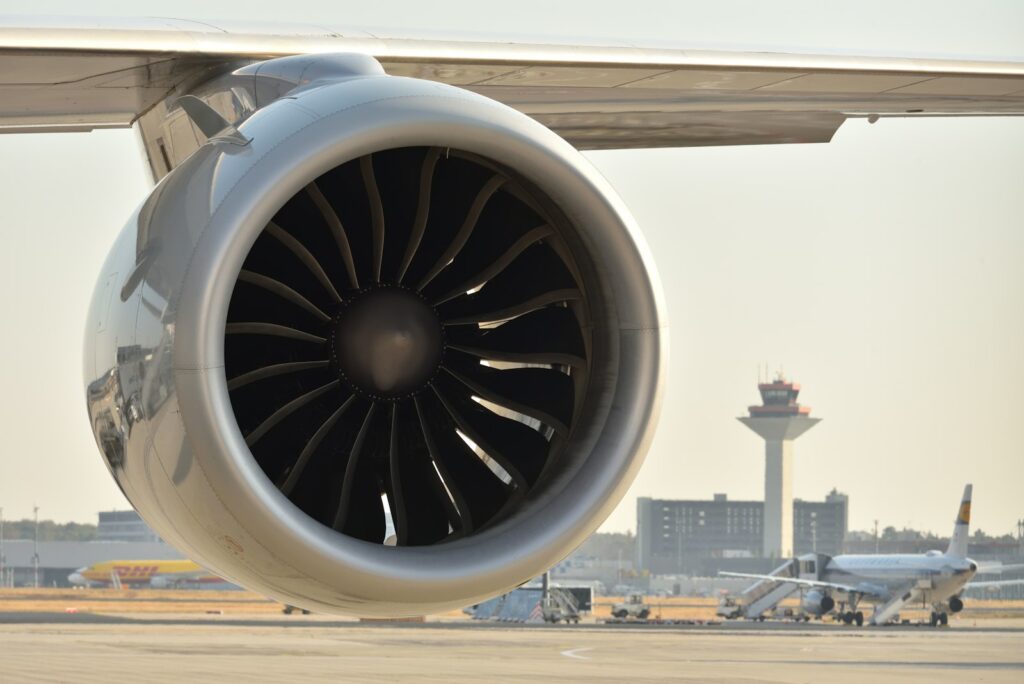
GE Aerospace announced the milestone on 19 July 2026 at the Farnborough International Airshow. The GEnx-1B powers the Boeing 787 Dreamliner family and is used by more than 50 operators worldwide. The installed fleet now averages more than 600,000 flight hours each month.
The central result is 50 million accumulated flight hours in slightly more than 14 years. GE Aerospace states that this is the fastest such achievement for any of its commercial widebody engine models. The company reports dispatch reliability of 99.98 percent and says the engine remains on wing at three times the rate of competing engines.
2,700 GEnx engines support nearly 75 million family flight hours
The wider GEnx family has more than 2,700 engines in service, including spares. Its GEnx-2B model, which entered service on the Boeing 747-8 in 2011, has accumulated 24 million hours. Together, the GEnx family is approaching 75 million flight hours and 12 million cycles.
GE Aerospace has also modified high pressure turbine blades and combustor coating technology over the past decade. The company says those changes have more than doubled time on wing in harsh operating environments. It plans to invest 1 billion dollars in United States manufacturing sites and its supply chain during 2026, with more than 100 million dollars allocated to improving supplier capabilities for programmes including GEnx.
AI inspection turns maintenance images into structured operating decisions
The milestone is supported by service technologies that extend beyond the engine itself. GE Aerospace’s Blade Inspection Toolkit uses fixed cameras to capture consistent images during high pressure turbine inspections. Its software organises images for review, allows inspectors to flag areas of interest and supports line and surface measurements. Inspection results can also be exported to customer data systems.
GE says the AI enabled inspection approach has previously cut blade inspection times in half while improving accuracy compared with standard borescope inspections. The company has expanded related technology to additional engine families, demonstrating how a specialist AI workflow can move from one product line into a broader service portfolio.
Analysis: industrial AI creates value through measurable operating outcomes
ThePionairs.com editorial analysis: founders should focus on the operating metric rather than the AI label. GE connects its inspection technology to maintenance accuracy, engine availability and the interval between shop visits. The opportunity for SaaS companies is to build narrow applications that convert specialist data into a repeatable decision. The risk is that industrial buyers will reject tools that lack traceability, human review or integration with established maintenance procedures.
The second order opportunity is a larger software layer around inspection records, asset histories, supplier quality and predictive maintenance. Smaller vendors may participate without building engines, but they must prove reliability in highly regulated environments. The risk is long procurement cycles and dependence on proprietary equipment data controlled by major manufacturers. ThePionairs Operator Verdict: Test because a narrowly defined inspection or maintenance workflow can demonstrate economic value before a wider platform commitment.
More information
Source and more information: GE Aerospace: GEnx-1B Engines Surpass 50 Million Flight Hours
Supplementary source: GE Aerospace: Blade Inspection Toolkit