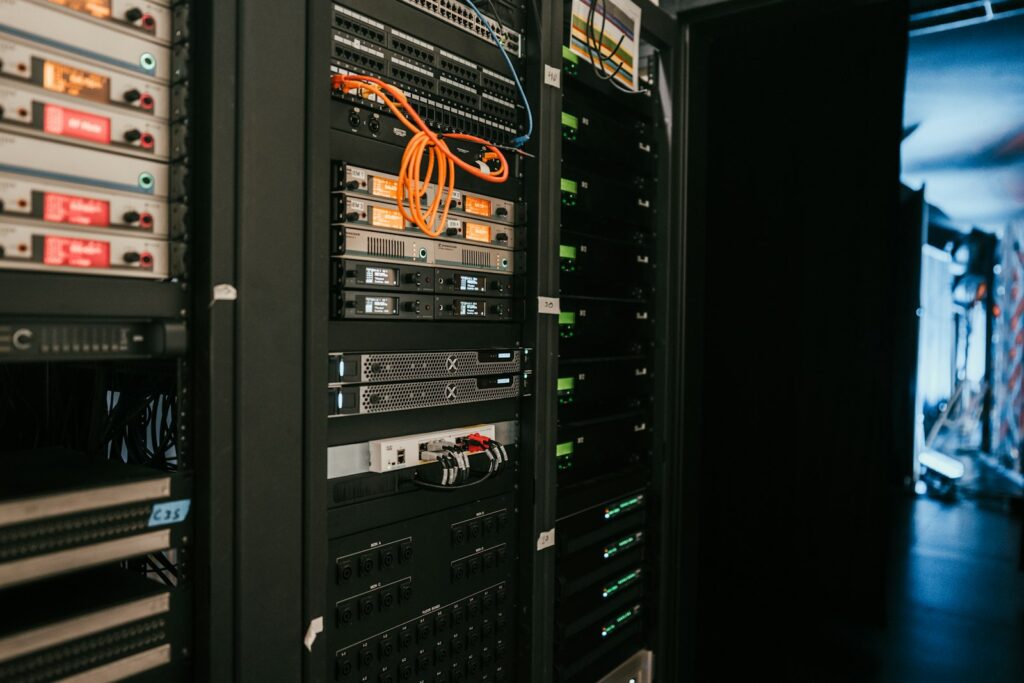
The B300 systems use NVIDIA HGX B300 architecture. SuperX’s published specifications include eight GPUs per server configuration, high-bandwidth networking and storage intended for data-centre-scale AI workloads. The company expects the ordered systems to expand Ezisight’s Australian compute capacity.
This matters because infrastructure availability changes the range of AI projects local providers can sell. An Australian SME that previously relied on overseas capacity or a large hyperscaler may gain additional options for inference, model deployment or high-performance workloads without owning its own GPU estate.
The central development is therefore regional capacity arriving through another supplier and operator combination.
128 systems create capacity but not guaranteed demand
The purchase order provides more concrete evidence than an infrastructure memorandum or proposed data-centre project: equipment has actually been ordered under a commercial supply agreement. SuperX says delivery is scheduled for the fourth quarter of 2026.
What remains unproven is how much of this capacity will be consumed by Australian SMEs, what pricing Ezisight will offer and whether local capacity creates a meaningful advantage over existing cloud alternatives.
Those questions should shape the commercial opportunity.
The opportunity: managed local AI workloads for Australian SMEs
ThePionairs.com sees the strongest opening for Australian MSPs, AI consultancies, data engineering firms and vertical SaaS providers.
Instead of reselling GPU hours, these companies can package infrastructure with one production use case. Examples include private document processing for professional-services firms, computer vision for industrial operators, local inference for regulated organisations or batch AI processing for media and data companies.
The first practical move is to identify customers currently paying substantial cloud inference bills or delaying an AI workload because of cost, data location or infrastructure constraints. Compare their existing architecture with a potential local deployment and quantify the economic difference.
A 30-day commercial test can focus on one reproducible workload and measure total cost per completed task, latency and implementation effort. The main reason to stop is weak differentiation: local infrastructure creates little opportunity when mainstream cloud services remain cheaper or operationally simpler.
A second opportunity is helping international AI software companies establish Australian deployment options without building local infrastructure operations themselves.
More information
Source and more information: SuperX Secures 128 Units of B300 AI Server Purchase Order from Ezisight
Supplementary source: SuperX B300 Technical Information